Victorian Waltz
Also known as: Redowa, Waltz Variation
History & Cultural Context
During the mid-to-late 19th century, several 3/4-time couple dances coexisted in European and American ballrooms alongside the standard waltz. The Redowa — Czech rejdovak, with paired rejdovak (3/4, moderate) and rejdovacka (2/4, quicker) sections — first appeared in Prague salons c.1829, spread to Paris in 1846–47, and was documented in dance manuals by Henri Cellarius (1847), Charles Durang (1848), and Allen Dodworth (1885). The Boston, a slower American adaptation of the waltz, emerged in the 1830s and was later refined by teachers including Melvin B. Gilbert. These dances declined in social use as 20th-century ballroom standardization narrowed the competitive vocabulary to the modern Waltz and Viennese Waltz.
Cultural Significance
Victorian waltz variations represented experimentation and innovation during the Gilded Age. Their decline marked the shift toward 20th-century standardization.
Peak Popularity
Signature Figures
- Waltz-based
Notable Codifiers
- Victorian ballroom tradition
Dance Lineage
Track Your Victorian Waltz Progress
Practice Victorian Waltz figures between lessons with Figure Focus — step-by-step breakdowns, floor diagrams, and progress tracking. Free to use.
What to Wear
Attire guidance for Victorian Waltz and other Historic Gilded Age Ballroom dances. Each card below is sized to the moment — class, practice, social, or competition — because the wardrobe shifts as the stakes do.
Reading the cards
In Class
Regular practice wear with smooth-soled shoes.
Social Dancing
Victorian/Edwardian ball events: women in corseted gowns with trains, men in white tie or period suits. Some events are less strict and welcome Edwardian-inspired modern formalwear.
Competition
Not competed; performed at Victorian balls and historical society events in period costume.
Shoes
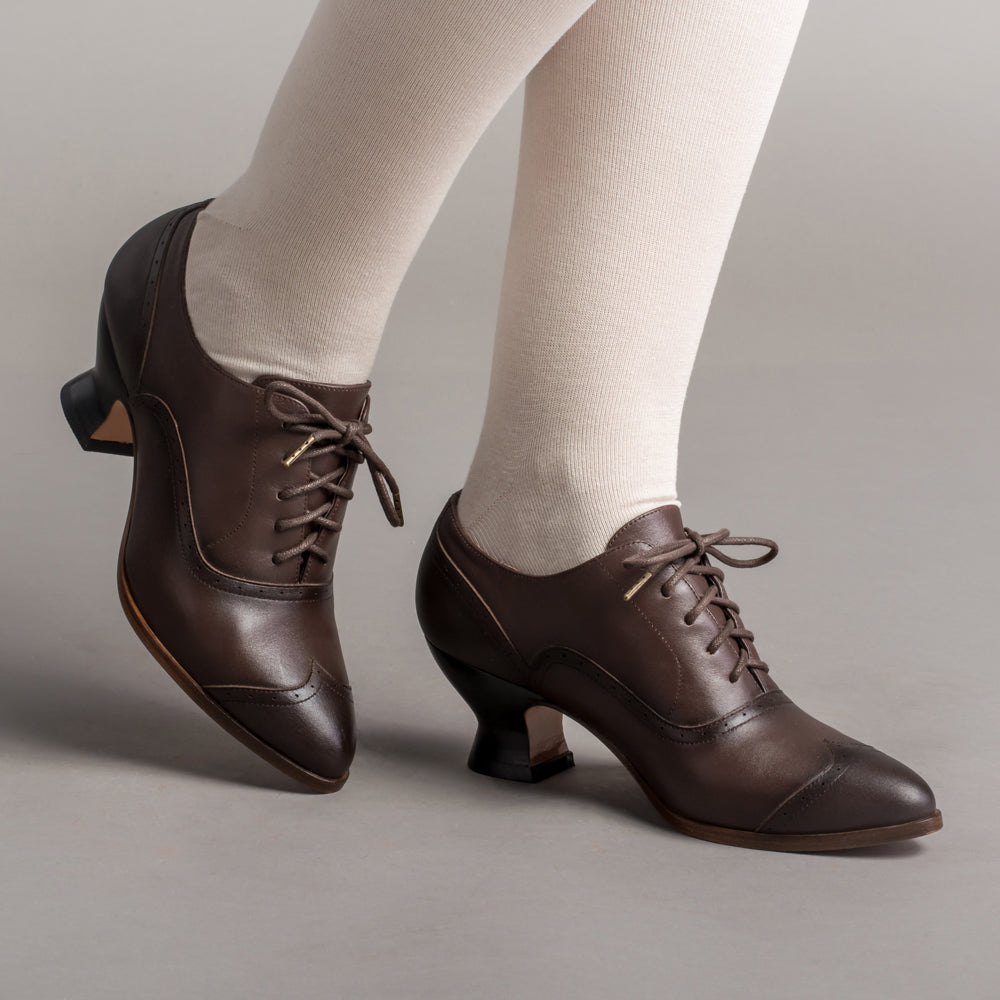
Women: pointed-toe shoes with French heels (2"). Men: patent leather shoes or period boots. The era bridged between flat dancing and the heeled Latin shoes of the 20th century.
In Practice
Many Gilded Age groups practice corset-management — modern dancers underestimate how much the corset changes posture and breath.
Price Range
- Budget: Repurposed modern formalwear with period-adjacent silhouette; entry French-heel shoes $80–140.
- Mid: Reproduction Gilded Age gowns and white-tie pieces $400–1,500.
- Premium: Hand-tailored Edwardian costume $2,000–8,000+.
Quick Tips
- •Suede-soled shoes allow controlled sliding and pivoting — essential for most partner dances.
- •Avoid rubber soles on dance floors; they grip too much and can cause knee injuries.
- •Bring a separate pair of clean shoes for the dance floor to keep it in good condition.
Recommended Gear for Victorian Waltz
Essential equipment and apparel selected for dancers learning Victorian Waltz.

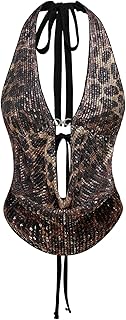
Women's Cheetah Print Sequin Top Y2K Tie Back Corset Halter Going Out Crop Tops
Verdusa
Under $50


As an Amazon Associate, LODance earns from qualifying purchases. Affiliate disclosure
Sources & Further Reading
Cultural & Historical Context
Victorian Waltz emerged from Europe during the 1850s—1920s. Understanding the cultural roots, musical traditions, and social circumstances of this era enriches appreciation for the dance's characteristics and significance.
Formative Influences
Codifiers & Standardizers:
Victorian ballroom tradition
Signature Movement Vocabulary:
Waltz-based
Primary Source Documents
The Library of Dance contains public-domain primary sources for dance history. Copyrighted modern syllabi are indexed with purchase links to their respective copyright owners. Search by dance name or codifier to discover primary source documents.
Last reviewed: July 2026 — This dance profile synthesizes historical research, cultural documentation, and contemporary practice knowledge to provide authoritative context.
Related Dances
More in Historic Gilded Age Ballroom
Polka
The Polka was a lively, bouncy couple dance from Bohemia that became enormously popular across Europe and America during the 19th century, featuring characteristic hop and turn.
Mazurka
The Mazurka was a lively Polish couple dance with syncopated rhythm and characteristic accent patterns, becoming popular in European ballrooms during the 19th century.
Schottische
The Schottische was a moderate-tempo couple dance with a distinctive step-hop pattern, becoming popular in Victorian ballrooms and remaining part of folk traditions.
Galop
The Galop was a rapid, energetic couple dance with a distinctive galloping action, becoming a popular finish to Victorian ballroom evenings.
Laendler
The Laendler was an Austrian peasant couple dance with turning action that influenced the development of the modern waltz and remains part of Alpine folk traditions.
Continue Exploring
Lineage of Dance
Explore 500 years of dance evolution
Champions of Dance
Winners of marquee national & world titles
Language of Dance
400+ dance terms & translations
Listening of Dance
Tempo, timing & musicality tools
Gallery of Dance
1,200+ public domain artworks
Attire of Dance
Evolution of dance dress across eras