Argentine Tango
Also known as: Tango Argentino, Social Tango, Milonga Tango
History & Cultural Context
Argentine Tango is the traditional form of tango as developed and practiced in Buenos Aires' neighborhoods, dance halls (milongas), and salons. Born from the city's working-class and immigrant communities, Argentine Tango tells the story of Buenos Aires' soul. Unlike the codified International Standard Tango, Argentine Tango emphasizes improvisation within the partnership, nuanced musical interpretation, and varied rhythmic approaches (including tango, vals, milonga, and canyengue styles). The dance varies significantly based on regional styles (salon with precise figures, villa urquiza with hip motion, and nuevo with contemporary innovation) and individual interpretation. Argentine Tango remains a living tradition, with dancers continuously adapting while honoring its roots. UNESCO recognized Argentine Tango as a Masterpiece of the Oral and Intangible Heritage of Humanity, acknowledging its cultural significance. Key figures like Carlos Gavito and Juan Carlos Copes elevated the dance's visibility globally. Argentine Tango remains deeply embedded in Buenos Aires' cultural life and has experienced exponential global growth since the 1980s-1990s, with active tango communities on every continent.
Cultural Significance
cultural_context: "Argentine Tango developed in Buenos Aires and reflects the city's immigrant and working-class communities of the late 19th and early 20th centuries. Contemporary practice maintains older traditions alongside modern interpretations (nuevo tango, electronic tango). In 2009, UNESCO inscribed Tango on the Representative List of the Intangible Cultural Heritage of Humanity (joint Argentina/Uruguay nomination)."
Characteristic Movement & Technique
characteristic_movement: "...Weight transfers are smooth and controlled. Footwork is varied and supports improvisation; the leader may add decorative leg movements (adornos). The close embrace (abrazo) lets the follower respond to subtle signals from the leader's torso. Movement is improvised rather than built on fixed figures, and includes walks, ochos (figure-eights), and pivots."
Partnering Dynamics
Argentine Tango partnerships emphasize passionate connection, responsiveness, and intimate embrace. Partners maintain the characteristic close embrace (abrazo) with extensive physical contact allowing subtle communication through body connection. The lead is communicated through body weight shifts and chest signals rather than hand pressure or arm positioning. The follower responds to the leader's body signals with sensitivity and passion. The connection permits sophisticated non-verbal communication. The partnership creates an impression of passionate, deeply connected interaction. Unlike ballroom partnerships with clear lead-follow roles, Argentine Tango permits more flexible, mutual participation. The best Argentine Tango partnerships display obvious passion, responsive connection, and authentic emotional engagement.
Competitive Context
Argentine Tango has limited competitive context in ballroom competitions but substantial professional performance and social dancing contexts. International competitions exist but are more specialized than ballroom dances. Argentine Tango championships emphasize artistry, musicality, and authentic performance. The dance emphasizes improvisation and artistic interpretation rather than predetermined choreography. Successful Argentine Tango requires passionate engagement and sophisticated improvisational skill.
Regional Variations
Argentine Tango originated in Buenos Aires and maintains distinct regional variations reflecting neighborhood traditions. Different barrios (neighborhoods) maintain distinct styles—Tango Tanguero (rough, intense), Tango Salon (refined, social), Tango Liso (smooth). The dance has evolved over more than a century with distinct eras maintaining different stylistic characteristics. International Argentine Tango communities maintain strong connections to Buenos Aires traditions while developing their own regional styles. The dance's improvisational nature permits substantial variation even within regional traditions.
Common Misconceptions
Beginners often confuse Argentine Tango with International Standard Tango, missing fundamental differences in technique, embrace, and improvisational nature. Another common error is attempting to dance Argentine Tango with ballroom frame and partnership dynamics; the close embrace and body connection are essential to Argentine Tango's communication system. Some dancers misunderstand the improvisational nature, attempting to memorize sequences rather than developing responsive, improvisational skills. The close embrace is sometimes misunderstood as requiring excessive closeness; proper embrace permits sophisticated subtle communication. Many dancers underestimate the musicality and rhythmic complexity required for authentic Argentine Tango. Some view Argentine Tango as 'just dancing close'; in reality, the technical demands of weight transfer, pivoting, and improvisational skill are substantial.
Peak Popularity
Signature Figures
- 8-Step
- Walk
- Ochos
- Balanceo
- Ganchos
Notable Codifiers
- Carlos Gavito
- Juan Carlos Copes
- milonga traditions
Dance Lineage
Track Your Argentine Tango Progress
Practice Argentine Tango figures between lessons with Figure Focus — step-by-step breakdowns, floor diagrams, and progress tracking. Free to use.
What to Wear
Attire guidance for Argentine Tango and other Argentine Tango dances. Each card below is sized to the moment — class, practice, social, or competition — because the wardrobe shifts as the stakes do.
Reading the cards
In Class
Elegant practice wear. Women: comfortable heels or flats, fitted pants or a practice skirt. Men: dress shoes, trousers, and a button-down. Tango culture values understated elegance even in class.
Social Dancing
The milonga has a dress code culture. Women: elegant dresses or separates, often with slit skirts for leg movement, quality tango shoes. Men: dress shirt, waistcoat optional, polished shoes. Dark, sophisticated colors dominate.
Competition
Women: glamorous but controlled — slit dresses, sometimes with sheer panels. Men: suits or sharp separates. Argentine tango stage competitions allow more theatrical costuming than social tango.
Shoes
Women: closed-toe or open-toe tango shoes with 3–4" heels, pivot points on the sole, snug fit. Men: leather-soled tango shoes. Brand names: Comme Il Faut, Madame Pivot, Neo Tango. Shoe quality matters enormously in tango.
In Practice
Tango practica is the dress rehearsal of the milonga — same shoes, slightly more relaxed clothing. Many practitioners keep one pair for class/practice and a second more glamorous pair for the milonga itself.
By Role
Leaders
Class: Button-down shirt and trousers, polished leather-soled shoes.
Competition: Suit or sharp separates. Stage tango allows more theatrical costuming than salon — but even then, restraint reads better than excess.
Followers
Class: Fitted pants or knee-length practice skirt, fitted top, tango shoes (no heels under 3" once at intermediate level — the geometry of tango assumes the heel).
Competition: Slit dresses for leg movement, sheer panels permitted. Salon tango stays understated and elegant; stage tango allows more drama.
Common Pitfalls
- ✗Salsa or ballroom Latin shoes — wrong sole flex, wrong toe box, no pivot point. Tango shoes are a separate category.
- ✗Bright club-Latin colors at a milonga — reads as someone who doesn't know the room.
- ✗Open-back heels without an ankle strap for fast milongas — the foot leaves the shoe.
Price Range
- Budget: Entry tango shoes (Tango Brujo, low-end Comme Il Faut) $130–200; thrifted dark separates.
- Mid: Comme Il Faut, Madame Pivot, Neo Tango $200–350; milonga-appropriate dresses and suits $150–500.
- Premium: Custom tango shoes $400–700; bespoke stage tango costumes $1,500–5,000+.
Key Terms
- Pivot point
- Reinforced point on the sole of a tango shoe directly under the ball of the foot — supports the pivots and ochos that define the dance.
- Milonga
- The social tango event. Has its own dress-code culture: elegant, understated, dark colors, real tango shoes.
Quick Tips
- •Suede-soled shoes allow controlled sliding and pivoting — essential for most partner dances.
- •Avoid rubber soles on dance floors; they grip too much and can cause knee injuries.
- •Bring a separate pair of clean shoes for the dance floor to keep it in good condition.
Recommended Gear for Argentine Tango
Essential equipment and apparel selected for dancers learning Argentine Tango.
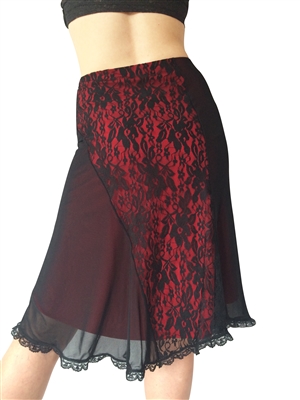
Style A-Line Lace and Mesh Tango Skirt - Dancewear
Blue Moon Ballroom Dance Supply
$50–$100
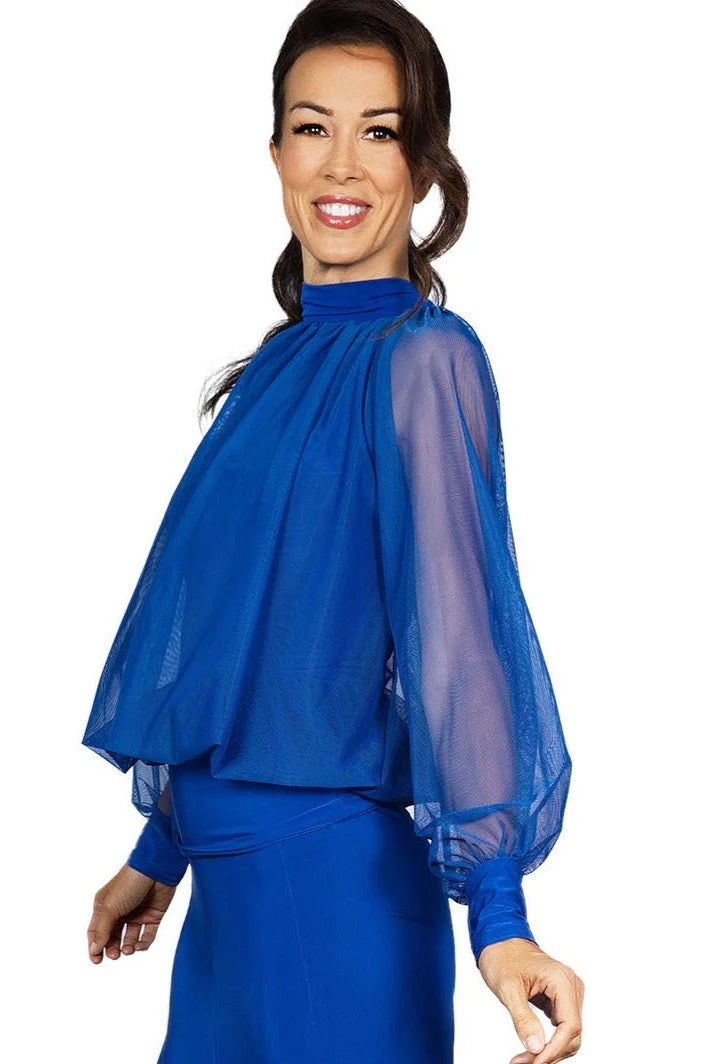
Women's Ballroom, Latin, American Rhythm, Tango, Salsa, Practice Demure Powermesh Top
Lets Dance Store
$100–$200
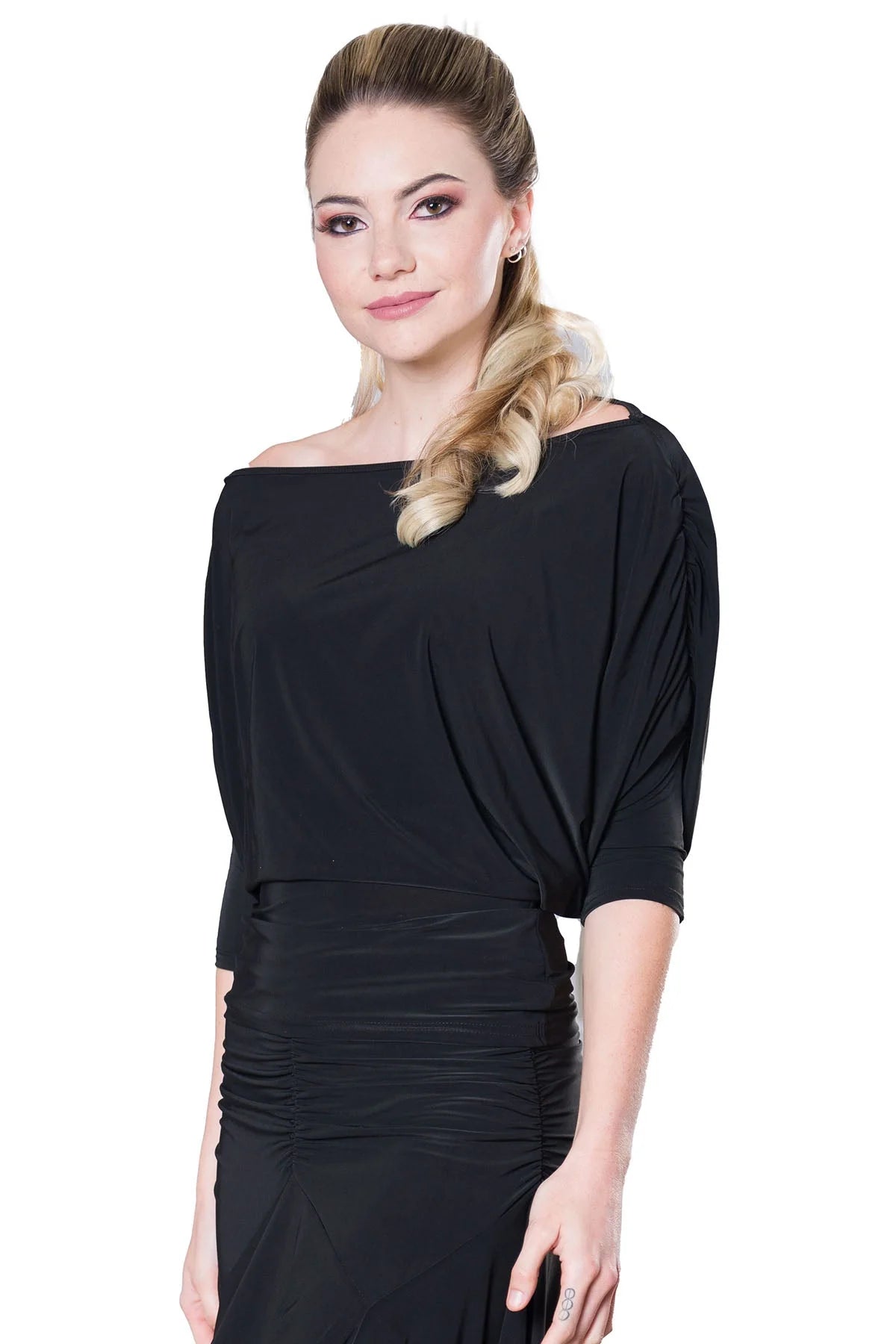
Women's Ballroom, Latin, American Rhythm, Tango, Salsa Dress Top
Lets Dance Store
$100–$200


As an Amazon Associate, LODance earns from qualifying purchases. Affiliate disclosure
Sources & Further Reading
Cultural & Historical Context
Argentine Tango emerged from Buenos Aires, Argentina during the 1880s—1920s. Understanding the cultural roots, musical traditions, and social circumstances of this era enriches appreciation for the dance's characteristics and significance.
Formative Influences
Codifiers & Standardizers:
Carlos Gavito, Juan Carlos Copes, milonga traditions
Signature Movement Vocabulary:
8-Step, Walk, Ochos, Balanceo, Ganchos
Primary Source Documents
The Library of Dance contains public-domain primary sources for dance history. Copyrighted modern syllabi are indexed with purchase links to their respective copyright owners. Search by dance name or codifier to discover primary source documents.
Last reviewed: July 2026 — This dance profile synthesizes historical research, cultural documentation, and contemporary practice knowledge to provide authoritative context.
Related Dances
More in Argentine Tango
Tango Vals
Tango Vals is an Argentine variation combining waltz timing with tango character and musicality. It developed as a social dance in Buenos Aires milongas and remains popular in contemporary tango culture.
Milonga
Milonga is a faster, rhythmic Argentine social dance that developed from tango traditions. It emphasizes quick rhythmic patterns and playful character while maintaining tango connection.
What did dancers wear?
Argentine Tango belongs to the Early Twentieth Century (1900–1945) era. See how attire shaped the choreography — and the other way around.
Explore Early Twentieth Century attire →Continue Exploring
Lineage of Dance
Explore 500 years of dance evolution
Champions of Dance
Winners of marquee national & world titles
Language of Dance
400+ dance terms & translations
Listening of Dance
Tempo, timing & musicality tools
Gallery of Dance
1,200+ public domain artworks
Attire of Dance
Evolution of dance dress across eras