Milonga
Also known as: Milonga Actual
History & Cultural Context
Milonga emerged in Buenos Aires as a faster, more rhythmic variant of tango. The dance developed from folk musical traditions and became a social dance staple in milongas (tango dance halls and events). Milonga emphasizes quick, syncopated rhythmic patterns and playful interaction while maintaining the close partnership essential to tango traditions. Unlike tango's dramatic character, milonga is lighter and more rhythmic. Milonga remains popular in contemporary Buenos Aires tango culture and is regularly programmed in milongas alongside tango and vals.
Cultural Significance
Milonga represents the rhythmic, playful side of Buenos Aires tango culture. Its continued popularity in contemporary milongas demonstrates the ongoing vitality of traditional Argentine tango dance forms.
Characteristic Movement & Technique
Milonga is characterized by a steady, rhythmic quality with lighter, quicker footwork than Argentine Tango, creating a playful, energetic movement aesthetic. The dance features rapid, percussive footwork executed in 2/4 time creating a distinct rhythmic character. Dancers maintain frame connection while executing traveling patterns and turns with increased speed and lighter foot contact compared to Tango. The movement is more grounded and forward-moving than Tango, with less emphasis on dramatic pauses and more focus on rhythmic propulsion. The overall quality is spirited and celebratory, reflecting Milonga's role as a social gathering dance alongside the more formal Tango.
Partnering Dynamics
Milonga partnerships maintain Argentine Tango's frame work and connection quality while allowing for quicker, more playful interaction. The leader guides rapid footwork and directional changes using clear frame signals. The follower responds with precise timing and contributes to the lighter, more energetic quality through her rhythmic execution. Partnership is characterized by responsiveness and musicality, with both dancers contributing to the dance's playful energy. The connection is maintained through the frame, but the lighter footwork allows greater variability in partnership styles. Both partners are expected to be skilled at rapid weight transfers and rhythmic interpretation.
Competitive Context
Milonga appears in Argentine Tango competitions and some international ballroom competitions with Argentine Tango divisions. Competitive Milonga emphasizes rhythmic precision, footwork clarity, musicality, and frame control. Judges evaluate the dancers' ability to execute rapid footwork with clarity and control while maintaining the lighter, more playful quality distinct from Tango. The dance appeals to competitors trained in Argentine Tango seeking to demonstrate their range across tango family dances.
Regional Variations
Milonga is primarily an Argentine tradition without significant regional variations in other parts of the world. Buenos Aires remains the cultural center for Milonga as part of the broader Argentine Tango tradition. Contemporary Milonga evolves through Buenos Aires' milonga communities and competitive venues. International Argentine Tango dancers sometimes explore Milonga as an extension of their training. Modern interpretations maintain respect for the tradition's cultural roots while incorporating contemporary musical selections.
Common Misconceptions
Many dancers mistakenly believe Milonga is simply 'faster Tango' or a warm-up dance less important than Argentine Tango; Milonga is a distinct dance form with its own sophisticated movement vocabulary and cultural significance. Another misconception is that Milonga is easy for Argentine Tango dancers; the different rhythmic structure and lighter footwork require substantial adaptation. Some assume Milonga is only for social dancing and lacks artistic depth; competitive Milonga demonstrates considerable sophistication and artistic potential. Others believe Milonga is primarily a historical form; contemporary Milonga remains vital in Argentine Tango communities and continues to evolve.
Peak Popularity
Signature Figures
- Quick Steps
- Rhythmic Patterns
- Salida
Notable Codifiers
- milonga traditions
Dance Lineage
Track Your Milonga Progress
Practice Milonga figures between lessons with Figure Focus — step-by-step breakdowns, floor diagrams, and progress tracking. Free to use.
What to Wear
Attire guidance for Milonga and other Argentine Tango dances. Each card below is sized to the moment — class, practice, social, or competition — because the wardrobe shifts as the stakes do.
Reading the cards
In Class
Elegant practice wear. Women: comfortable heels or flats, fitted pants or a practice skirt. Men: dress shoes, trousers, and a button-down. Tango culture values understated elegance even in class.
Social Dancing
The milonga has a dress code culture. Women: elegant dresses or separates, often with slit skirts for leg movement, quality tango shoes. Men: dress shirt, waistcoat optional, polished shoes. Dark, sophisticated colors dominate.
Competition
Women: glamorous but controlled — slit dresses, sometimes with sheer panels. Men: suits or sharp separates. Argentine tango stage competitions allow more theatrical costuming than social tango.
Shoes
Women: closed-toe or open-toe tango shoes with 3–4" heels, pivot points on the sole, snug fit. Men: leather-soled tango shoes. Brand names: Comme Il Faut, Madame Pivot, Neo Tango. Shoe quality matters enormously in tango.
In Practice
Tango practica is the dress rehearsal of the milonga — same shoes, slightly more relaxed clothing. Many practitioners keep one pair for class/practice and a second more glamorous pair for the milonga itself.
By Role
Leaders
Class: Button-down shirt and trousers, polished leather-soled shoes.
Competition: Suit or sharp separates. Stage tango allows more theatrical costuming than salon — but even then, restraint reads better than excess.
Followers
Class: Fitted pants or knee-length practice skirt, fitted top, tango shoes (no heels under 3" once at intermediate level — the geometry of tango assumes the heel).
Competition: Slit dresses for leg movement, sheer panels permitted. Salon tango stays understated and elegant; stage tango allows more drama.
Common Pitfalls
- ✗Salsa or ballroom Latin shoes — wrong sole flex, wrong toe box, no pivot point. Tango shoes are a separate category.
- ✗Bright club-Latin colors at a milonga — reads as someone who doesn't know the room.
- ✗Open-back heels without an ankle strap for fast milongas — the foot leaves the shoe.
Price Range
- Budget: Entry tango shoes (Tango Brujo, low-end Comme Il Faut) $130–200; thrifted dark separates.
- Mid: Comme Il Faut, Madame Pivot, Neo Tango $200–350; milonga-appropriate dresses and suits $150–500.
- Premium: Custom tango shoes $400–700; bespoke stage tango costumes $1,500–5,000+.
Key Terms
- Pivot point
- Reinforced point on the sole of a tango shoe directly under the ball of the foot — supports the pivots and ochos that define the dance.
- Milonga
- The social tango event. Has its own dress-code culture: elegant, understated, dark colors, real tango shoes.
Quick Tips
- •Suede-soled shoes allow controlled sliding and pivoting — essential for most partner dances.
- •Avoid rubber soles on dance floors; they grip too much and can cause knee injuries.
- •Bring a separate pair of clean shoes for the dance floor to keep it in good condition.
Recommended Gear for Milonga
Essential equipment and apparel selected for dancers learning Milonga.
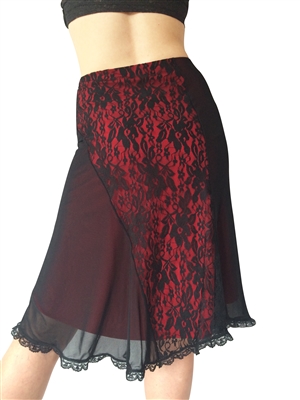
Style A-Line Lace and Mesh Tango Skirt - Dancewear
Blue Moon Ballroom Dance Supply
$50–$100
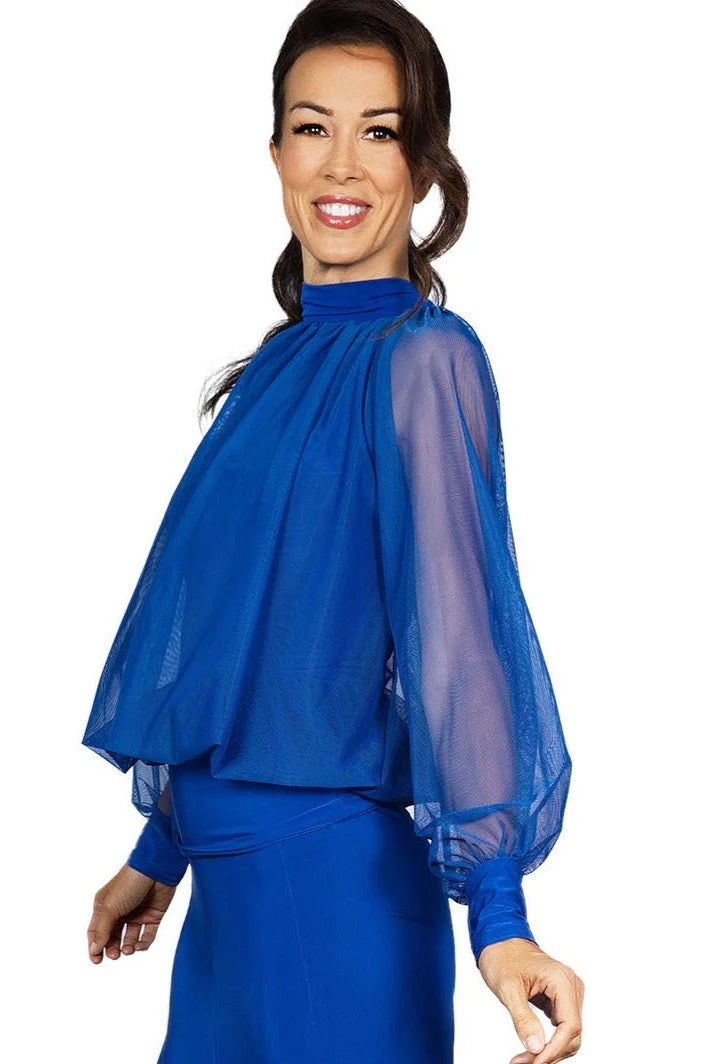
Women's Ballroom, Latin, American Rhythm, Tango, Salsa, Practice Demure Powermesh Top
Lets Dance Store
$100–$200
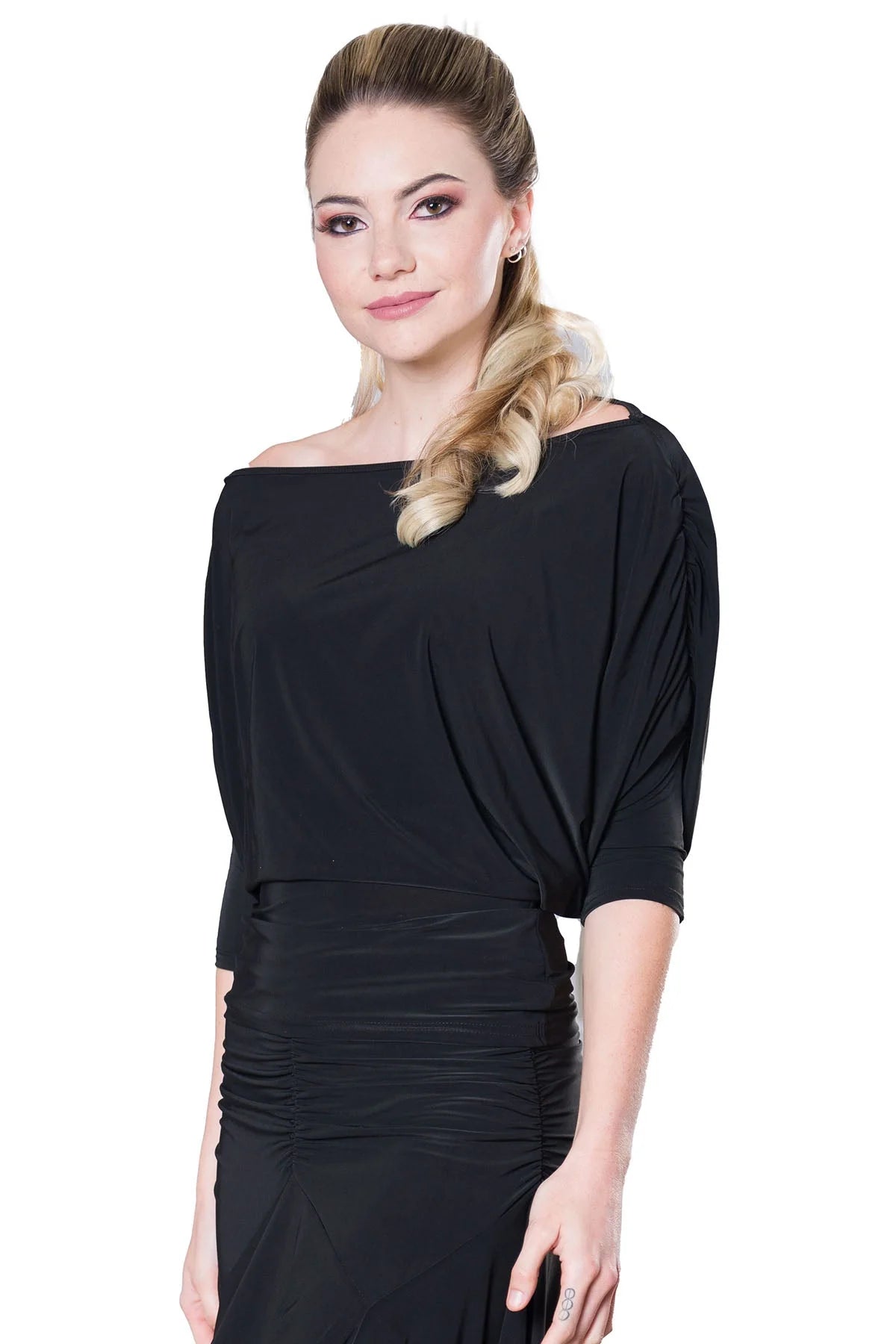
Women's Ballroom, Latin, American Rhythm, Tango, Salsa Dress Top
Lets Dance Store
$100–$200


As an Amazon Associate, LODance earns from qualifying purchases. Affiliate disclosure
Sources & Further Reading
Cultural & Historical Context
Milonga emerged from Buenos Aires, Argentina during the 1890s—1920s. Understanding the cultural roots, musical traditions, and social circumstances of this era enriches appreciation for the dance's characteristics and significance.
Formative Influences
Codifiers & Standardizers:
milonga traditions
Signature Movement Vocabulary:
Quick Steps, Rhythmic Patterns, Salida
Primary Source Documents
The Library of Dance contains public-domain primary sources for dance history. Copyrighted modern syllabi are indexed with purchase links to their respective copyright owners. Search by dance name or codifier to discover primary source documents.
Last reviewed: July 2026 — This dance profile synthesizes historical research, cultural documentation, and contemporary practice knowledge to provide authoritative context.
Related Dances
More in Argentine Tango
Argentine Tango
Argentine Tango is the traditional, improvisational form of tango emphasizing the close embrace, varied rhythmic interpretations, and improvisational movement. It represents tango's street and salon origins.
Tango Vals
Tango Vals is an Argentine variation combining waltz timing with tango character and musicality. It developed as a social dance in Buenos Aires milongas and remains popular in contemporary tango culture.
Continue Exploring
Lineage of Dance
Explore 500 years of dance evolution
Champions of Dance
Winners of marquee national & world titles
Language of Dance
400+ dance terms & translations
Listening of Dance
Tempo, timing & musicality tools
Gallery of Dance
1,200+ public domain artworks
Attire of Dance
Evolution of dance dress across eras