Choreographer · Community Builder · Cultural Preserver · Innovator
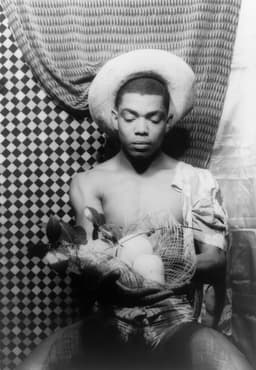
Alvin Ailey
Cultural Force of Modern Dance
“Dance is for everybody. I believe that the dance came from the people and that it should always be delivered back to the people.”
Why They Matter
He made modern dance accessible and culturally meaningful for diverse audiences and created one of the most important dance companies in American history.
Known For
Watch
Alvin Ailey — Revelations (Alvin Ailey American Dance Theater)
The most performed modern dance work in history — Ailey's masterpiece set to African American spirituals, celebrating faith, struggle, and joy.
Biography
Alvin Ailey was born in Rogers, Texas in 1931 and grew up amid the racial segregation of the rural South. His childhood experiences, the blues, spirituals, gospel music, and the strength of Black community life, would become the emotional foundation of his greatest works.
After moving to Los Angeles, Ailey studied with Lester Horton and later in New York with Martha Graham, Hanya Holm, and Charles Weidman. In 1958, he founded the Alvin Ailey American Dance Theater with a mission to create a company that celebrated African American cultural expression through modern dance.
His masterpiece Revelations (1960), set to African American spirituals, is considered one of the greatest works in American dance. It has been seen by more people than any other modern dance work in history. Ailey created 79 ballets during his career, drawing on blues, jazz, gospel, and the African American experience while insisting that dance should speak to all people.
Ailey died in 1989, but his company thrives as one of the most successful dance institutions in the world, performing to over 250,000 people annually. His vision of dance as a celebration of human spirit and cultural heritage continues to inspire.
Career Highlights
Founds the Alvin Ailey American Dance Theater
Premieres Revelations, his masterwork
Establishes the Ailey School
Company performs at the White House
Cry, solo created for Judith Jamison
Presidential Medal of Freedom (posthumous)
Legacy & Impact
Alvin Ailey made modern dance accessible, culturally resonant, and emotionally powerful for diverse audiences worldwide. He proved that dance rooted in specific cultural experience could speak universally, and he created institutional structures that continue to nurture Black artists and bring dance to communities that might never encounter it otherwise. His company remains one of the most important cultural institutions in American dance.


Explore More Legends
Discover the dancers, teachers, choreographers, and cultural icons who shaped how the world moves.